
In many ways, citizenship is all about service. It starts by recognizing that you are part of a community, which means you have a responsibility to step up and help your fellow citizens. This is particularly true for those of us who have been blessed with great opportunities and advantages in life. As the old maxim goes, to those whom much is given, much is expected.
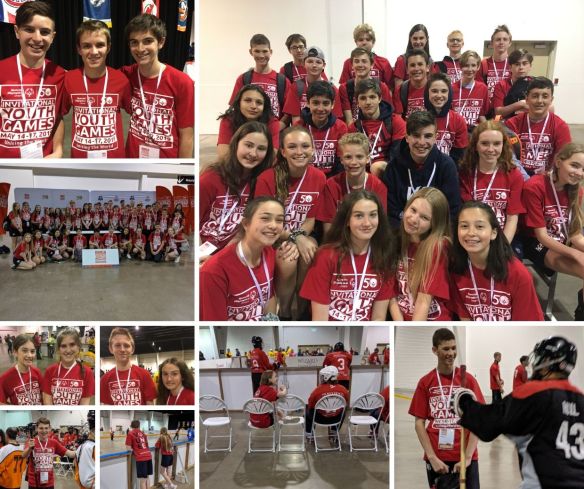
I was reminded of this simple truth when I accompanied our Grade 8 students to the Special Olympics Youth Games earlier this week. This event brought together 2,000 young athletes with intellectual disabilities from across Canada and the United States. Thanks to the efforts of Shelley Gaudet, our Citizenship Coordinator, our Grade 8 students were given the opportunity to spend a day at a 42 team floor hockey tournament held at The International Centre in Mississauga.
But we weren’t there to watch. We were there to serve. Each Grade 8 student was assigned a floor hockey team for the day for whom they would serve as team ambassadors. They spent all day helping the players and coaches by getting water, carrying equipment, leading warmups and helping the athletes find their way around the facility. Perhaps more importantly, they were also there to provide support and encouragement through conversations, high fives and cheering.
To help prepare them for this experience, Ms. Gaudet facilitated a number of very positive and open conversations with the Grade 8s. The students talked about the importance of inclusive and respectful language, patience and getting out of your comfort zone. That last point was essential, as many of the students were a bit nervous about what the day would look like.
They were obviously well prepared, because on the day of the event, all of us in attendance (Ms. Gaudet, Mme Lacroix, Mr. Schroder and myself) could not have been prouder of them. They got off the bus with a positive attitude and a willingness to get involved, and things only got better from there. By the end of the day, every student had opened themselves up to the experience and had become dedicated cheerleaders for their own team. I was particularly impressed with the students who had been assigned francophone teams from Quebec, as they really had to go outside their comfort zone and speak French all day!
For myself, the entire day was one big reminder about what really matters in life. I watched a player spend part of a game pushing his teammate’s wheelchair, just so that player could be a part of the team. I watched a player from Humboldt, Saskatchewan, turn to his coach during his game and ask, “Did I do good?” And I watched our students – all of whom have had the chance to be a part of their own school or community teams – spend a day in service to a group of athletes who do not always have the experiences and opportunities our students get every week.
Much has been given to our Grade 8 students. This week, they proved to me that they understand just what is expected of them.


 kcsmatters.blog